
GST Invoice PDF Automation in India for Line Items, Totals, and Review Fields
GST invoice PDFs need clear value fields, line-item mapping, reviewer checks, and output validation before finance teams rely on spreadsheet or API generation.
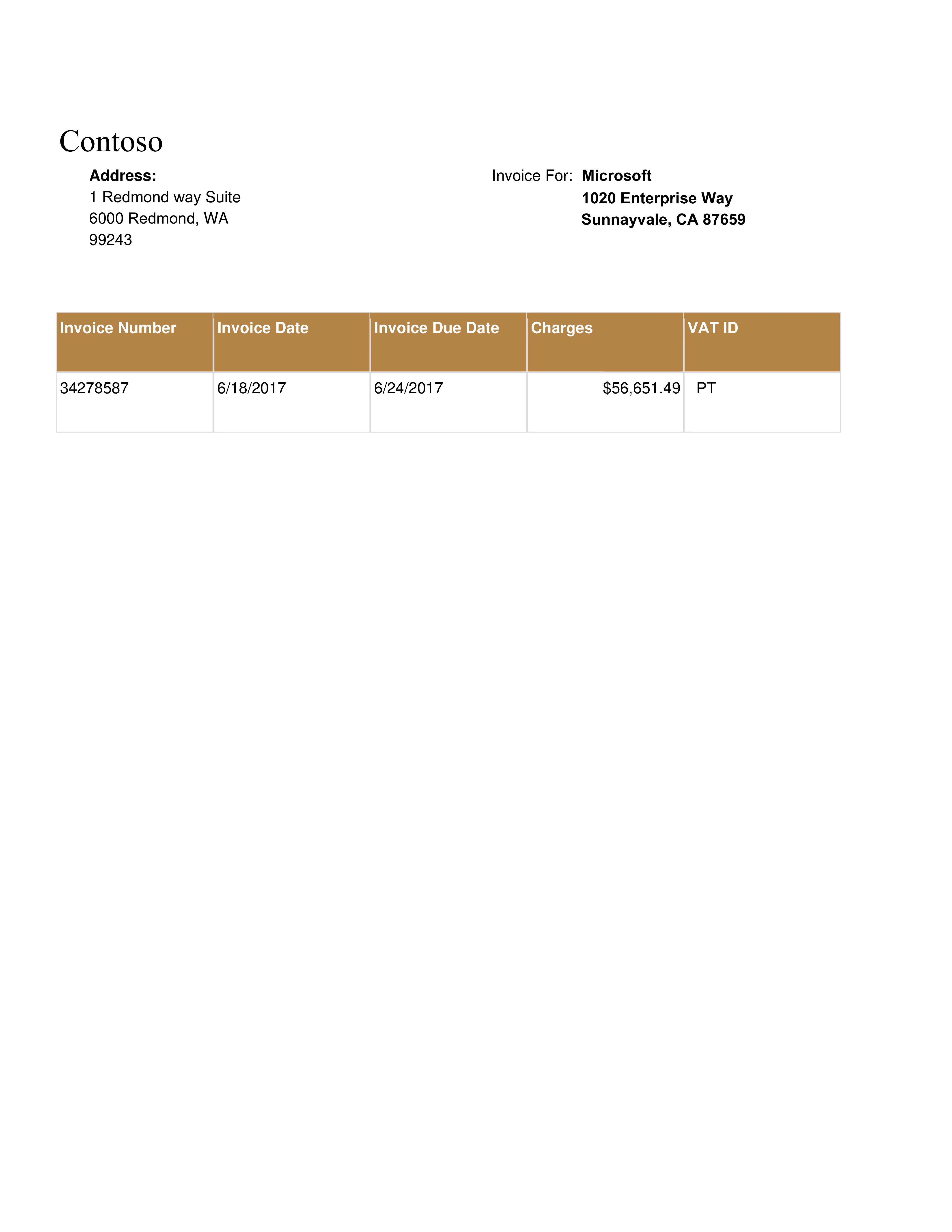
Finance PDFs need precise value mapping
GST invoice and finance workflows usually involve invoice numbers, buyer and seller details, GSTIN values, taxable value, line items, totals, dates, and reviewer status. A small mapping mistake can make the final PDF look plausible while still being wrong.
The useful setup is not a generic PDF conversion. It is a repeatable GST invoice PDF automation workflow where the same reviewed template accepts source data from invoice registers, finance exports, ERP payloads, approval trackers and produces a PDF that the team can inspect before sharing or archiving.
Separate invoice identity, tax values, and totals
Start by naming the fields around the record the team already trusts. For GST invoice PDF automation, that usually means explicit columns such as invoice_number, buyer_gstin, taxable_value, cgst_amount, sgst_amount, total_amount rather than vague labels like name, id, date, or notes that become hard to review later.
Invoice templates are fragile when all money values are mapped as generic amount fields. Use explicit field names for every printed value so reviewers can compare the generated output with the finance export.
- Keep invoice number, date, buyer, and seller fields separate.
- Map taxable value, tax components, and grand total individually.
- Test long line descriptions before filling a batch.
- Confirm empty optional tax fields do not display stale values.
Use spreadsheet review before finance API output
Search and Fill is the first runtime to test because it lets an operator select one row, compare the mapped values, and open the generated PDF before the workflow grows. That is the right first pass when the source data is still reviewed by a branch, back-office, finance, HR, clinic, school, logistics, property, or procurement user.
Fill By Link works better when a finance operator, branch user, or internal billing system should submit values through a web form instead of editing a PDF. API Fill should come later, after the same template has survived a spreadsheet review and an internal system can send clean JSON for GST invoice PDF automation.
Review totals and line-item placement first
The first generated invoice should be compared against the source register and the expected PDF layout. Long item descriptions, blank tax values, rounded totals, and reviewer fields are the places most likely to expose a weak template.
After the first output is correct, expand only to nearby PDFs that share the same source record. That keeps the India blog and route cluster grounded in real workflow families instead of creating pages that only swap keywords around.
- Check every total against the source record.
- Review long item descriptions for overflow.
- Confirm GSTIN fields stay in the right printed region.
- Use a flat PDF for the final reviewed copy.