Guides for Indian teams turning recurring KYC, vendor, HR, GST invoice, school, clinic, finance, branch, logistics, property, and procurement PDFs into reusable templates.
How to use these India guides
Start with the article that matches the document family you want to automate, then move to the India workflow or industry page that turns the idea into a DullyPDF setup path.
The blog explains implementation context. The India route pages should keep the concrete workflow examples, internal links, and template-specific proof points crawlable.
Start with one workflow
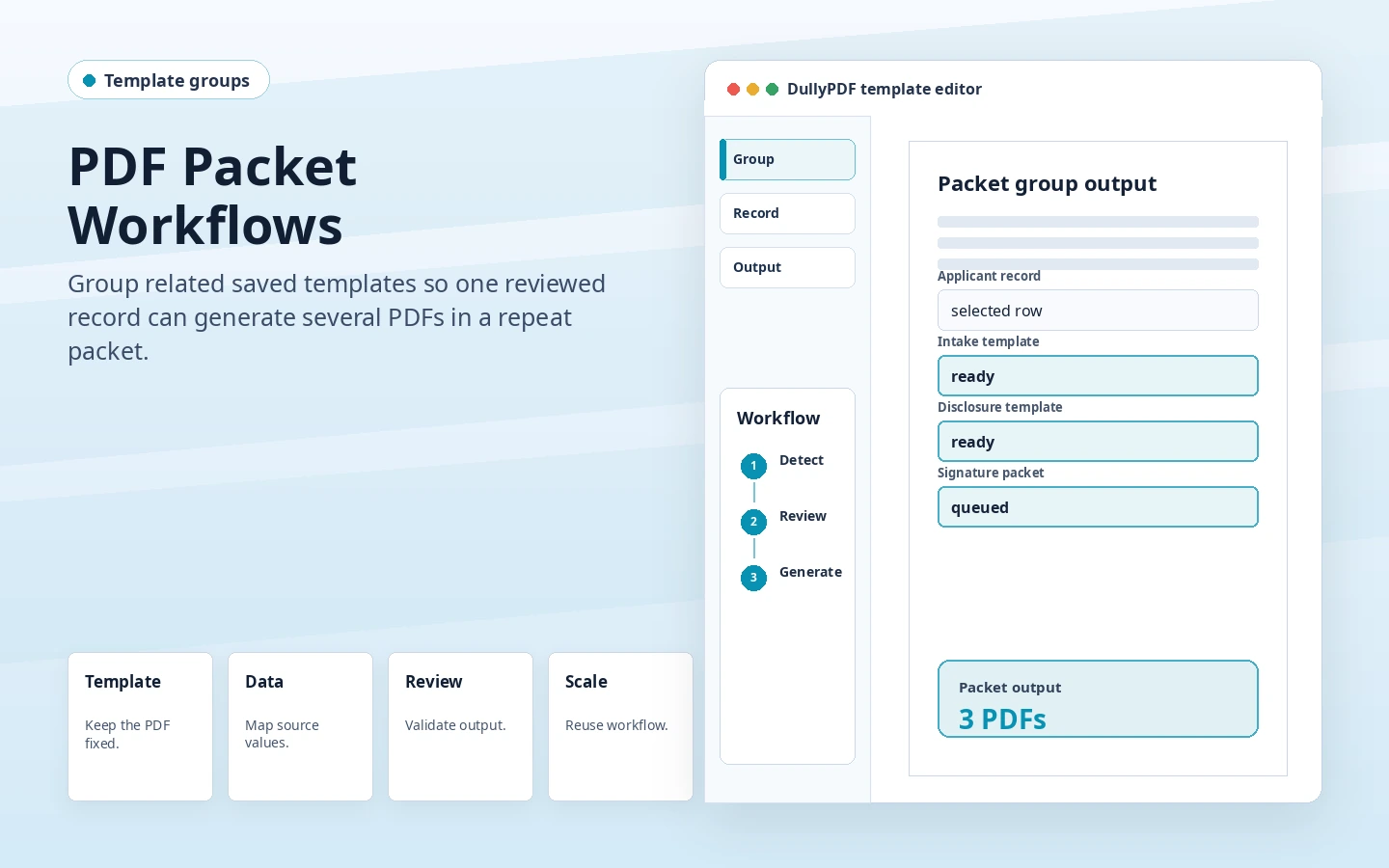
Choose one recurring Indian PDF, one trusted source record, one reviewed field map, and one generated output before expanding into adjacent templates.
After the India guide gives the operating example, use the product docs to confirm field detection, rename and mapping, Search and Fill, and API Fill behavior.
India PDF automation should start with one recurring document family, one trusted source record, and one reviewed output before expanding into nearby KYC, vendor, HR, GST, school, clinic, finance, or branch templates.
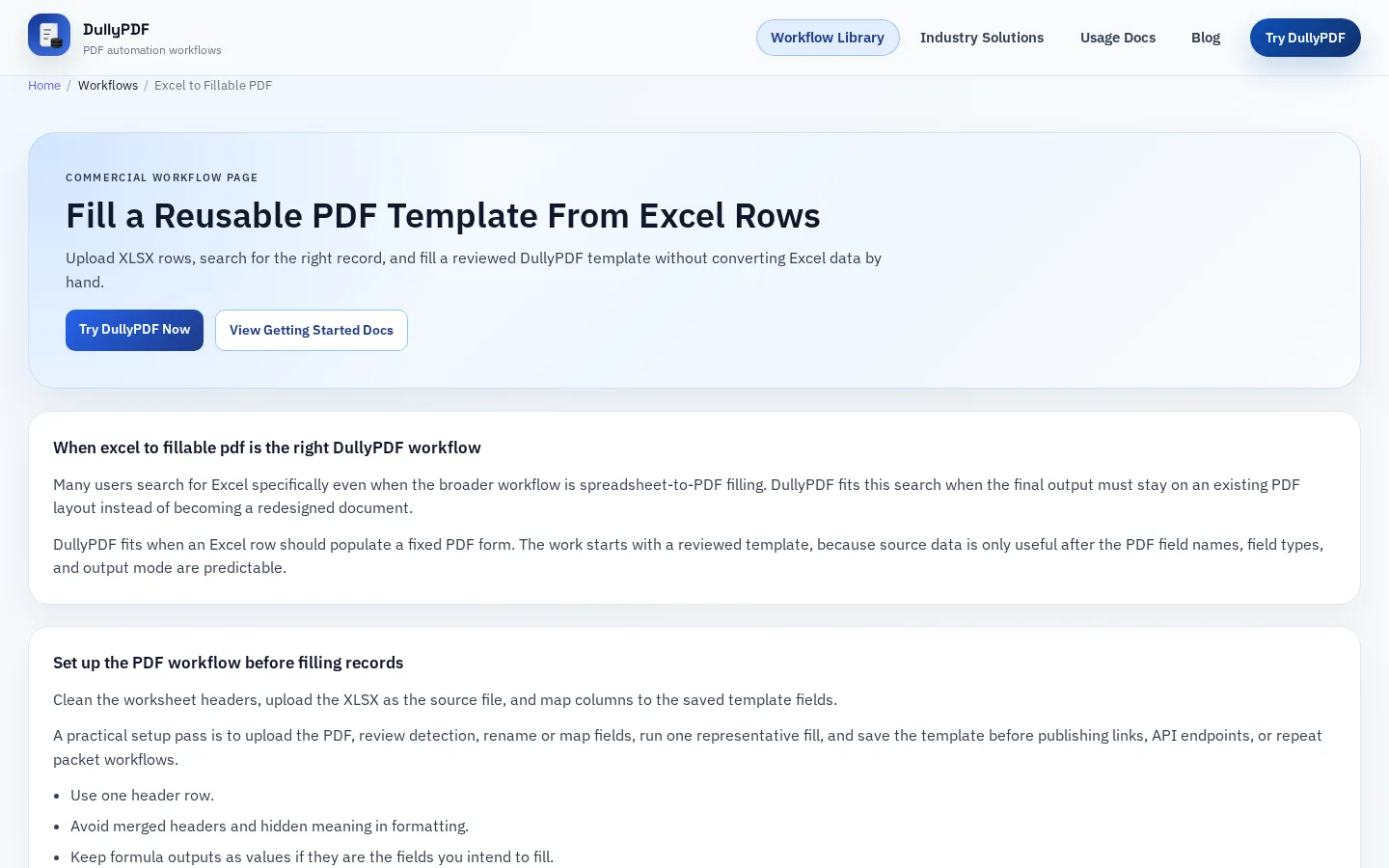
Excel is the safest first source for many Indian PDF workflows because operators can inspect one row, correct field names, and validate output before moving to links or API.
KYC templates need explicit identifiers, reviewer fields, and output checks before a team expands from one customer or vendor packet into adjacent branch workflows.
Vendor onboarding PDFs become reusable when supplier identifiers, bank fields, tax fields, and approval values are mapped from a vendor master record instead of copied by hand.
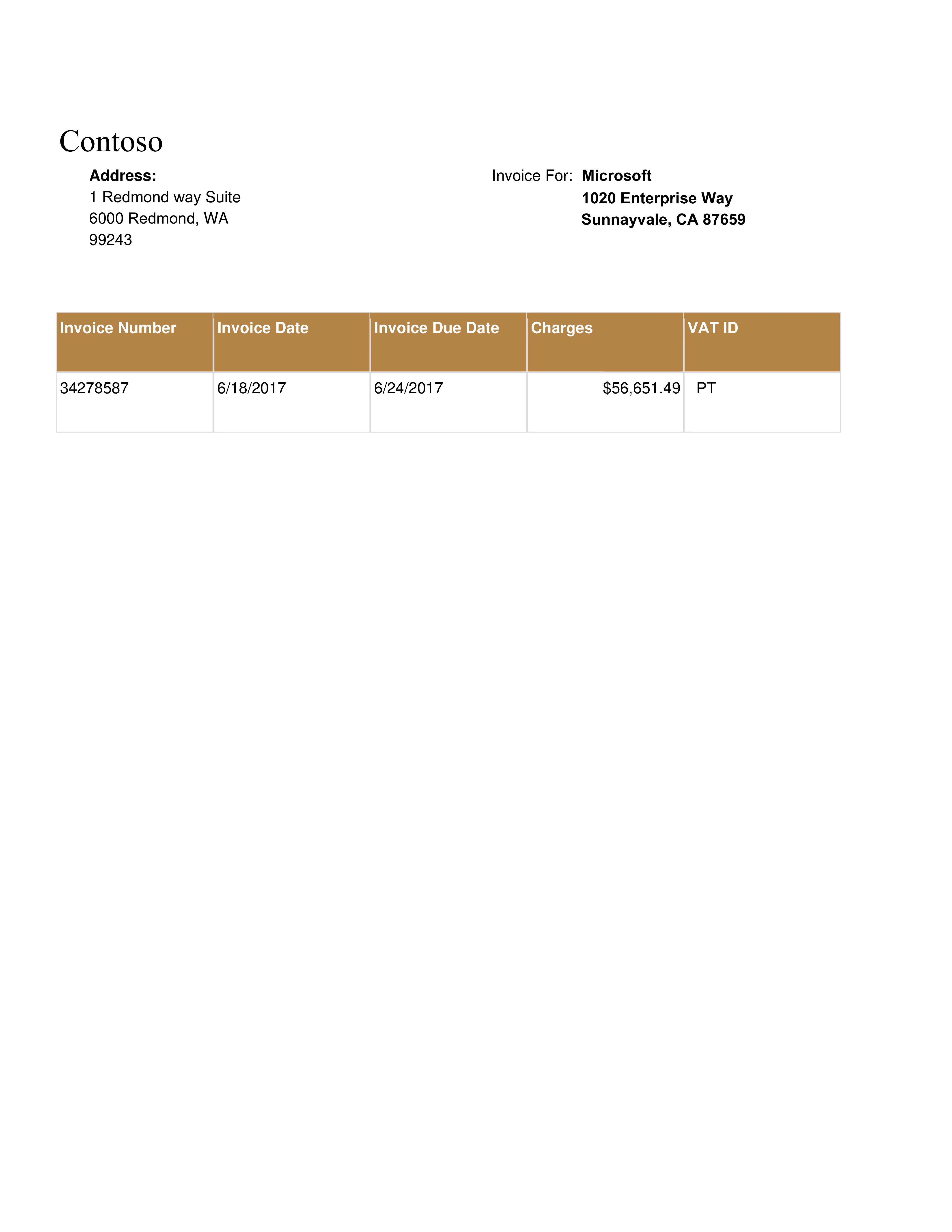
GST invoice PDFs need clear value fields, line-item mapping, reviewer checks, and output validation before finance teams rely on spreadsheet or API generation.
Clinic intake PDFs should start with reviewed patient and appointment fields, then choose spreadsheet review or respondent collection based on who owns the data.
Delivery challan templates need dispatch data, branch codes, item rows, quantity checks, and handoff review before they become safe for repeat logistics use.