
ACORD 25 Certificate of Insurance: How to Fill It Faster
The fastest COI teams are not faster because they type quicker. They are faster because they standardize one certificate workflow, one review checklist, and one dependable template that can be reused under deadline.
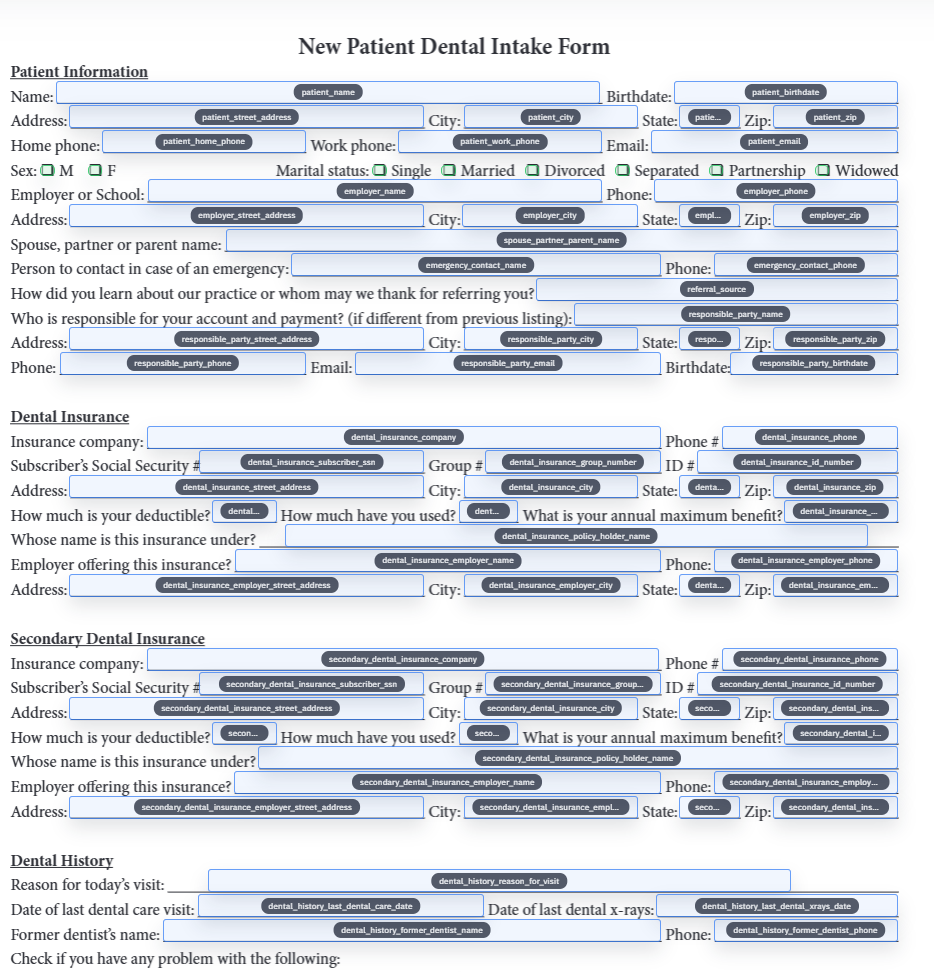
Certificate work gets painful when speed outruns review
ACORD 25 requests usually feel urgent even when the form itself is familiar. The account team already has the insured data somewhere, but the certificate still has to be assembled from a fixed layout, checked for the risky fields, and delivered on time. That combination of urgency and familiarity is what makes manual rekeying so expensive. People assume the form is routine, and that is exactly when avoidable mistakes slip through.
A better framing is to treat the certificate as a repeat workflow that deserves a repeat operating procedure. Once you do that, the question stops being How do we fill this one COI faster and becomes How do we keep the same COI setup trustworthy every time a new request lands.
Build one canonical certificate template before you try to scale
The right first move is rarely to automate every carrier document at once. Start with the certificate layout that the team touches constantly and make that one dependable. Review the fixed layout carefully, normalize names, and decide which AMS columns should own the producer, insured, policy, date, and holder fields.
That discipline matters because certificate libraries can sprawl fast. One clean template gives you a baseline for every later variation. It also gives the team one shared definition of what a reviewed certificate looks like.
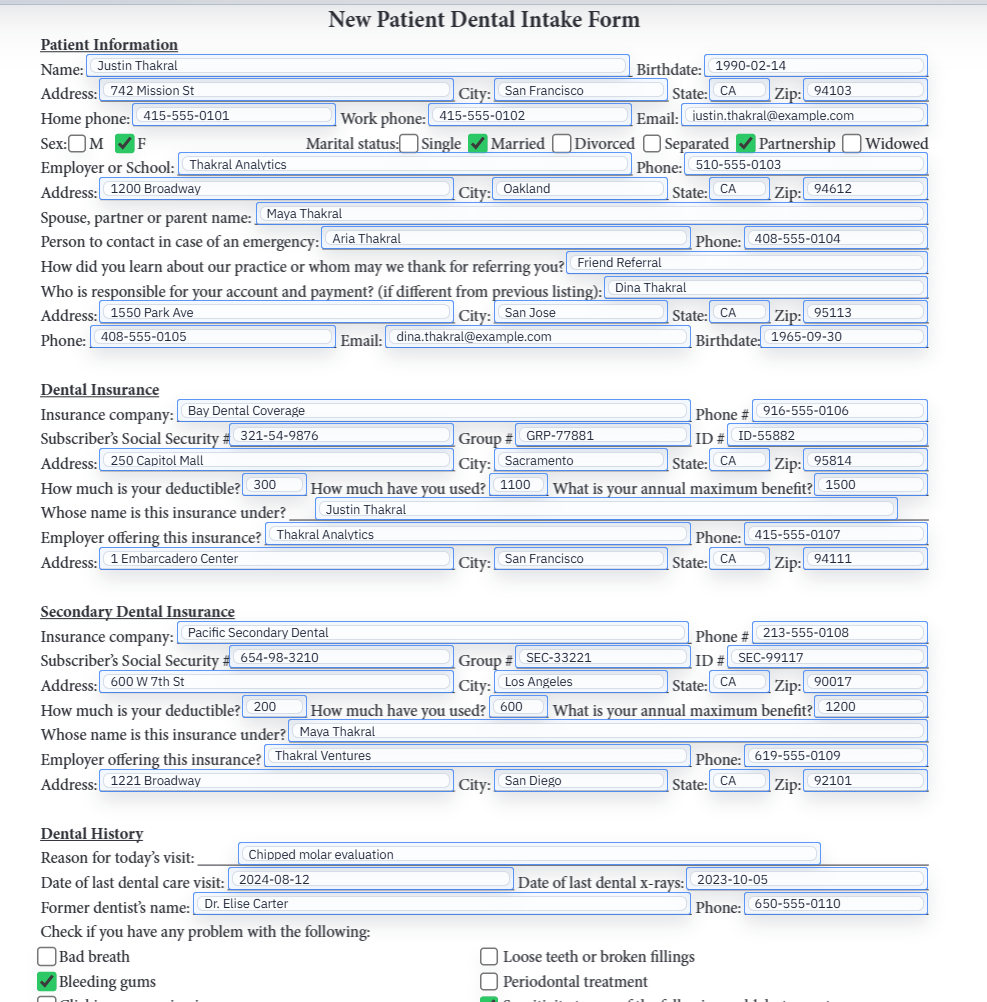
Treat the AMS export as a contract between the data and the form
Certificate automation works when the AMS export is boring in the best possible way. Column names stay consistent, date formats are predictable, and producer or insured details do not drift between exports. If the export is inconsistent, the certificate template becomes a translator for business chaos, which is a role no PDF layer performs well.
The cleanest pattern is to decide which columns are canonical, align the template to those names, and protect that agreement over time. Small schema discipline upstream makes the PDF step dramatically less fragile downstream.
QA the fields that create servicing risk first
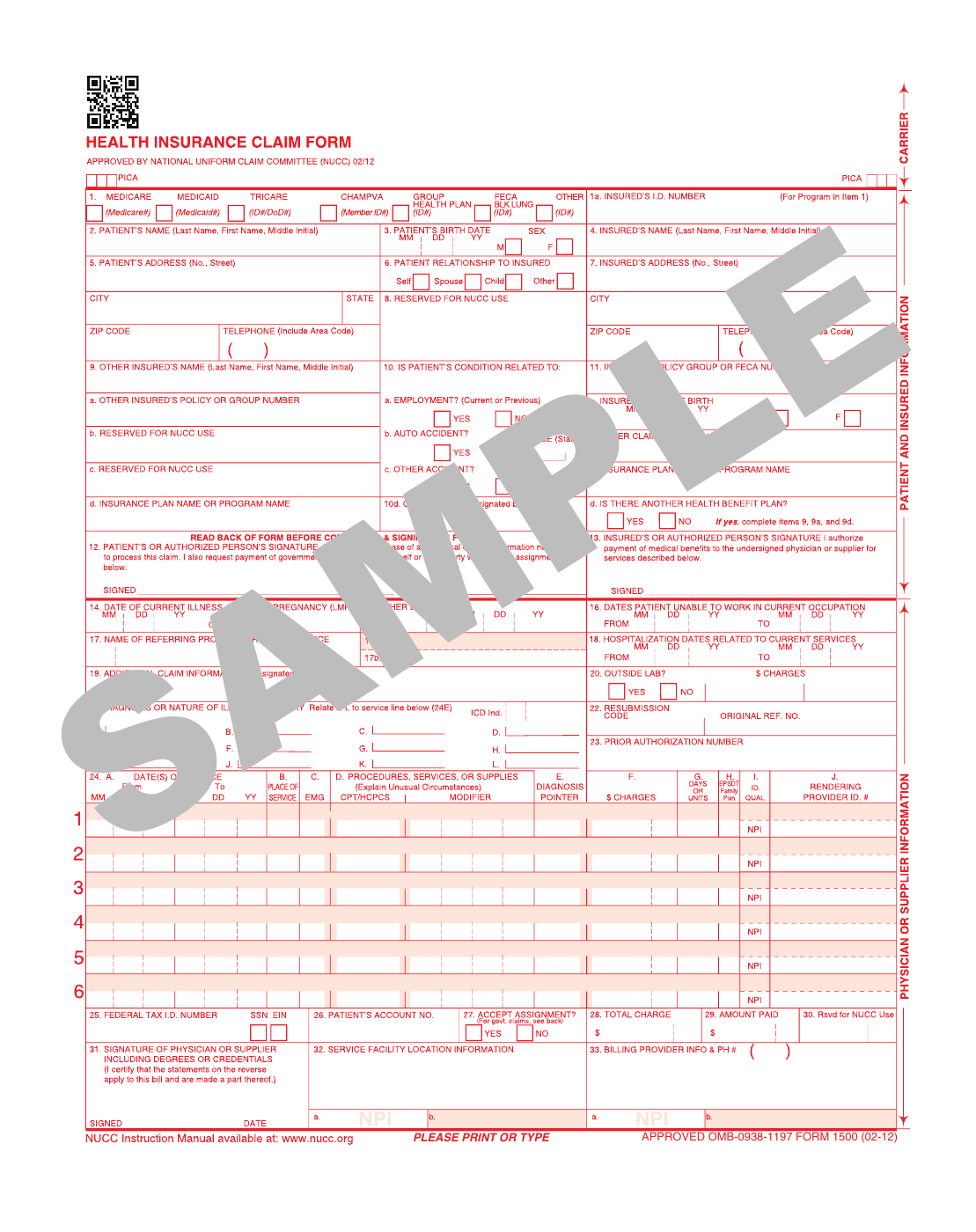
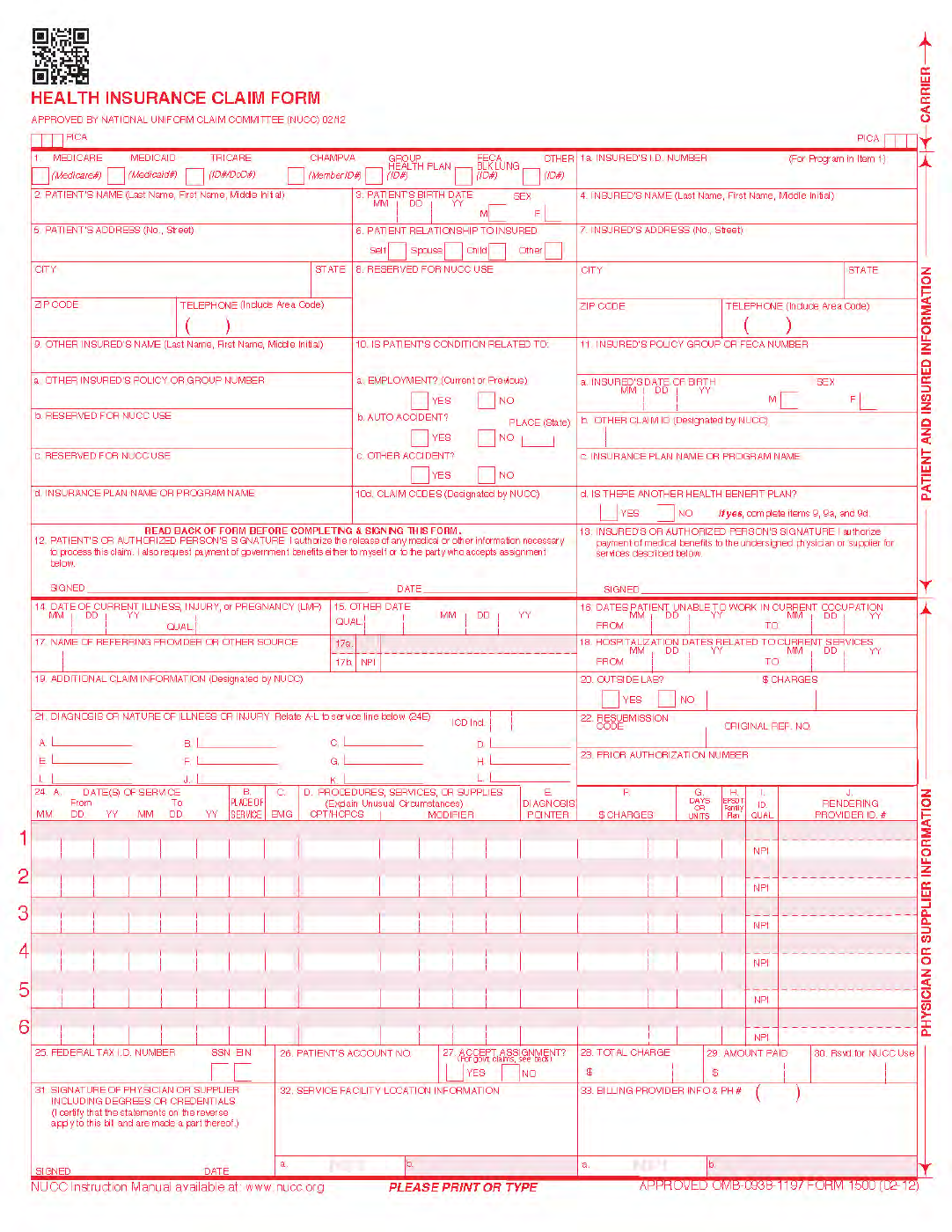
Not every certificate field deserves the same attention. Teams should start with the items that create the most downstream trouble when they are wrong: named insured, producer information, effective and expiration dates, policy identifiers, limits, and certificate holder details. Those are the blocks that deserve explicit review before the certificate is sent.
This is another reason the template model works well for ACORD-style operations. It lets the team build a short checklist around the exact fields that matter instead of rereading the entire form from scratch every time.
- Validate one or two real policies before assuming the mapping is ready for live requests.
- Check holder details separately from policy data, since holder revisions are one of the most common second-pass changes.
- Keep the certificate review checklist short enough that staff will actually use it under deadline.
Know when a COI template is enough and when you need a broader insurance library
Some teams really do live inside one high-volume certificate pattern. Others need a bigger library that includes supplements, renewal packets, internal servicing forms, and insurer-specific paperwork. The certificate template is still worth doing first, but it should be understood as the first rung of a library strategy rather than the entire answer.
That is also why this post stays narrow. ACORD 25 is a strong example of the template model, but the larger insurance automation question is about how many recurring fixed layouts your team has to support at once.